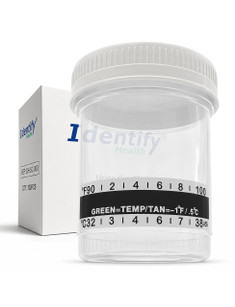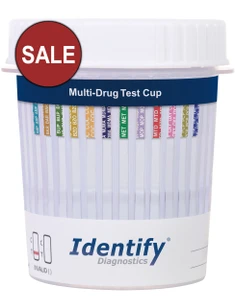
12 Panel Drug Test Cup with BUP - Identify Diagnostics CLIA Waived
$89.00
Identify Diagnostics
View Product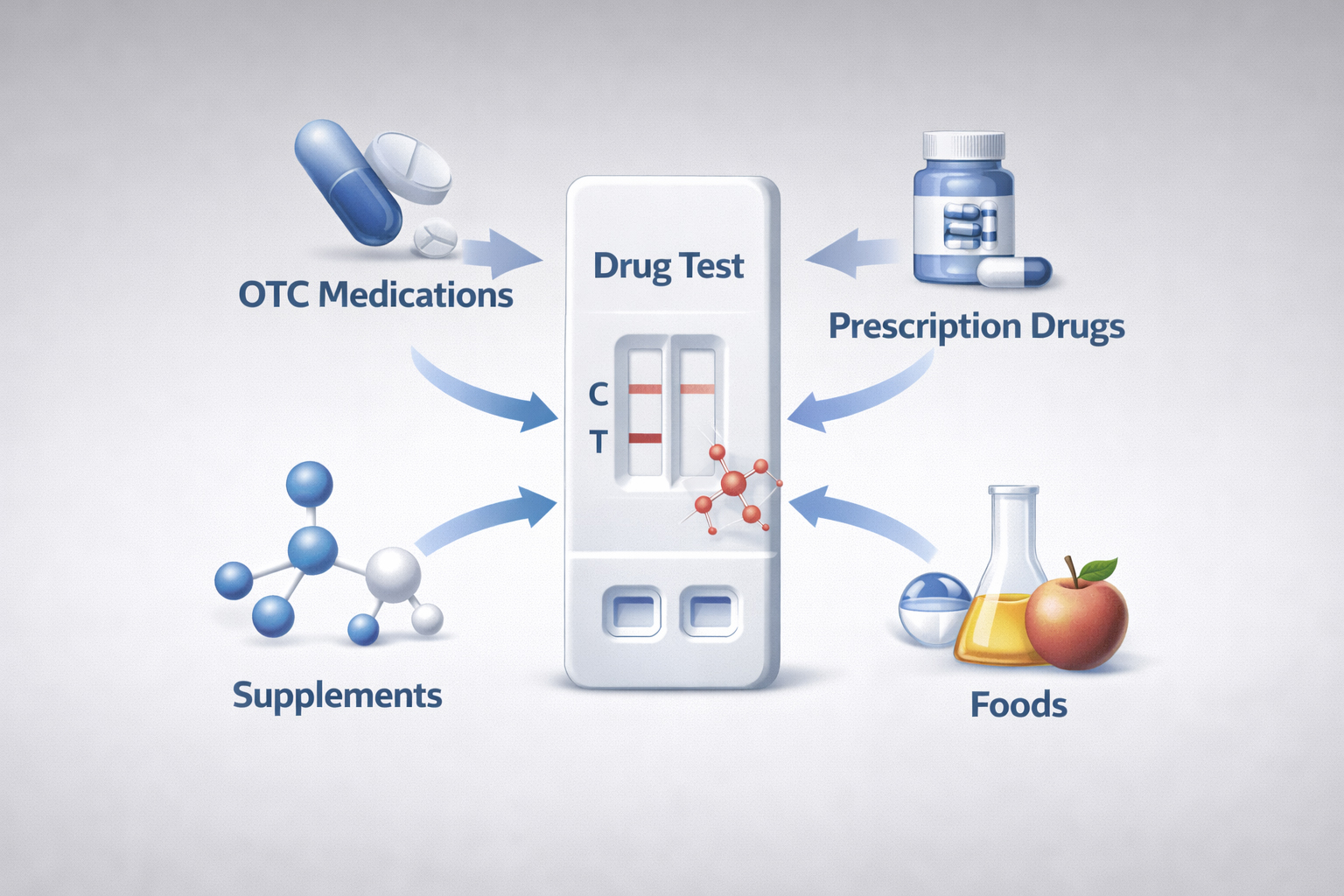
Organized by our trusted drug testing brands. Cross-reactivity information is organized by brand so users can easily find reference data related to the specific devices they are using: Identify Diagnostics, Identify Diagnostics USA, Identify Health, DrugTect. Each section provides relevant cross-reactivity information associated with the drug testing panels used within that brand’s devices.




Understanding drug test cross-reactivity is essential for accurately interpreting urine drug screening results. Our cross-reactivity reference pages provide valuable information about medications, foods, and compounds that may interact with immunoassay drug tests, helping professionals identify potential false positives and interpret results with greater confidence.
Drug screening tests detect specific drug metabolites using immunoassay technology. However, certain medications, over-the-counter drugs, supplements, and foods can sometimes interact with test antibodies and produce a cross-reactive response. Our cross-reactivity charts help identify substances that may influence urine drug test results.
Access to drug test cross-reactivity data helps clinicians, laboratories, and drug testing administrators better understand unexpected screening results. When a potential cross-reactive substance is identified, confirmatory laboratory testing may be used to verify the result and ensure accurate reporting.
Many common medications and substances can occasionally cause false positive drug test results during initial screening. Our cross-reactivity reference lists highlight drugs, compounds, and foods that may trigger these reactions, helping users interpret screening results more accurately.
Drug testing programs used in healthcare, workplace compliance, rehabilitation programs, and criminal justice settings benefit from cross-reactivity education. Understanding potential interfering substances improves the reliability and interpretation of screening results across a wide range of testing environments.
Cross-reactivity reference guides are commonly used by: clinical laboratories, healthcare providers and physicians, workplace drug testing programs, rehabilitation and treatment centers, probation and criminal justice programs, at-home testers.
Identify Diagnostics
View Product
Identify Health
View Product
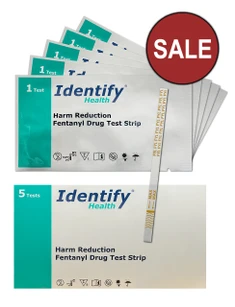
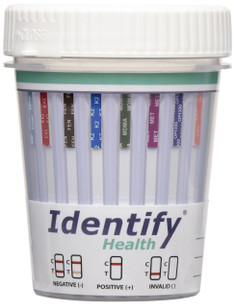
Identify Health
View Product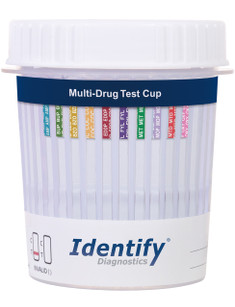
Identify Diagnostics
View Product
Identify Health
View Product
Identify Health
View Product