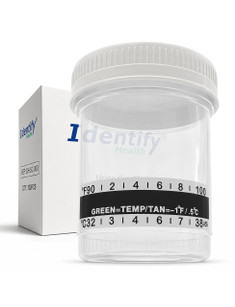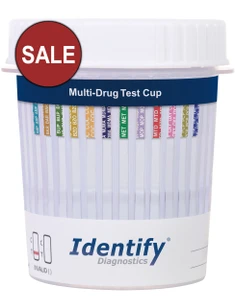
12 Panel Drug Test Cup with BUP - Identify Diagnostics CLIA Waived
$89.00
Identify Diagnostics
View Product
When drugs begin to impact you or your family, clarity and support become essential. Understanding what’s happening and having reliable tools to guide next steps can make all the difference. With the right information and structure, you can begin to take control of the situation. Medical Distribution Group, Inc can't and does not offer any support. We simply want to scratch the surface and help point our customers in the right direction.
Medical Distribution Group, Inc. does not specialize in support rather we simply understand support is needed. Here are 9 steps or phases to consider. We hope this section helps you on your journey and connects you with the support needed on your path back to sobriety.
Coming Soon!Consider this your step 1. Did you find a substance and don't know where to start. Start here.
At this stage, there is often an internal struggle between minimizing the problem and recognizing its impact. It’s common to justify or compare behaviors, even as concerns continue to grow. Moving from denial to acceptance is a critical turning point that opens the door to real change.
This is the moment where awareness turns into action. The decision to change often comes with a willingness to seek help and take the first real steps forward. While it can feel uncertain, this commitment is what begins the path toward recovery.
Detoxification is the initial phase of recovery where substances are eliminated from the body. Withdrawal symptoms may occur and should be monitored, especially for certain substances. Proper support during this stage is essential for a safe and stable transition forward.
Recovery is the ongoing process of rebuilding health, stability, and trust over time. It involves developing new habits, strengthening support systems, and staying committed to progress even when challenges arise. With consistency and accountability, recovery can lead to lasting change.
Structured treatment provides a clear framework for recovery through therapy, education, and consistent support. This stage focuses on understanding underlying causes, building coping strategies, and creating healthier patterns. With the right structure in place, individuals can begin making meaningful and lasting changes.
Rebuilding life is about restoring stability and creating a new sense of normal. This stage focuses on repairing relationships, returning to daily responsibilities, and establishing healthy routines. With continued effort and support, individuals begin to regain confidence and purpose.
Maintenance focuses on protecting the progress that’s been made and staying consistent over time. This stage involves ongoing support, accountability, and awareness of triggers that could lead to setbacks. With the right structure in place, individuals can continue moving forward with confidence.
Long-term therapy provides continued support as individuals strengthen their recovery over time. It helps address deeper patterns, reinforce healthy behaviors, and navigate life’s ongoing challenges. This stage supports lasting stability and long-term well-being.
If you’re here, something doesn’t feel right—and you’re not alone. Families and individuals often move through different stages, from early concern to seeking help and building long-term recovery. Each stage comes with its own challenges, but also opportunities to take the next step forward. Start by selecting where you are today. If you believe someone is in immediate danger, experiencing an overdose, or having a medical emergency, call 911 right away.
If something feels off, it probably is. Noticing the signs and trusting your instincts is an important first step. From here, you can begin to get clarity and take action with confidence.
Coming Soon!What once felt like a one-time concern is starting to repeat itself. You’re noticing patterns—changes in behavior, inconsistencies, or signs that are becoming harder to overlook. At this stage, it’s important to move from awareness to action with the right structure and support. The next steps can help you better understand what’s happening and how to respond with confidence.
Coming SoonThe situation has progressed to a point where waiting is no longer the best option. Acting now can help prevent things from getting worse and create a path toward stability. The good news is that support is available, and the next steps can help you take action quickly and effectively. If you believe someone is in immediate danger, experiencing an overdose, or having a medical emergency, call 911 right away.
Coming SoonRecovery is a process built on consistency, support, and small steps forward. You’re focused on maintaining progress, building healthy routines, and staying accountable along the way. While challenges can still arise, having the right structure in place makes a meaningful difference. The next steps can help you stay on track and continue moving forward with confidence.
Coming Soon
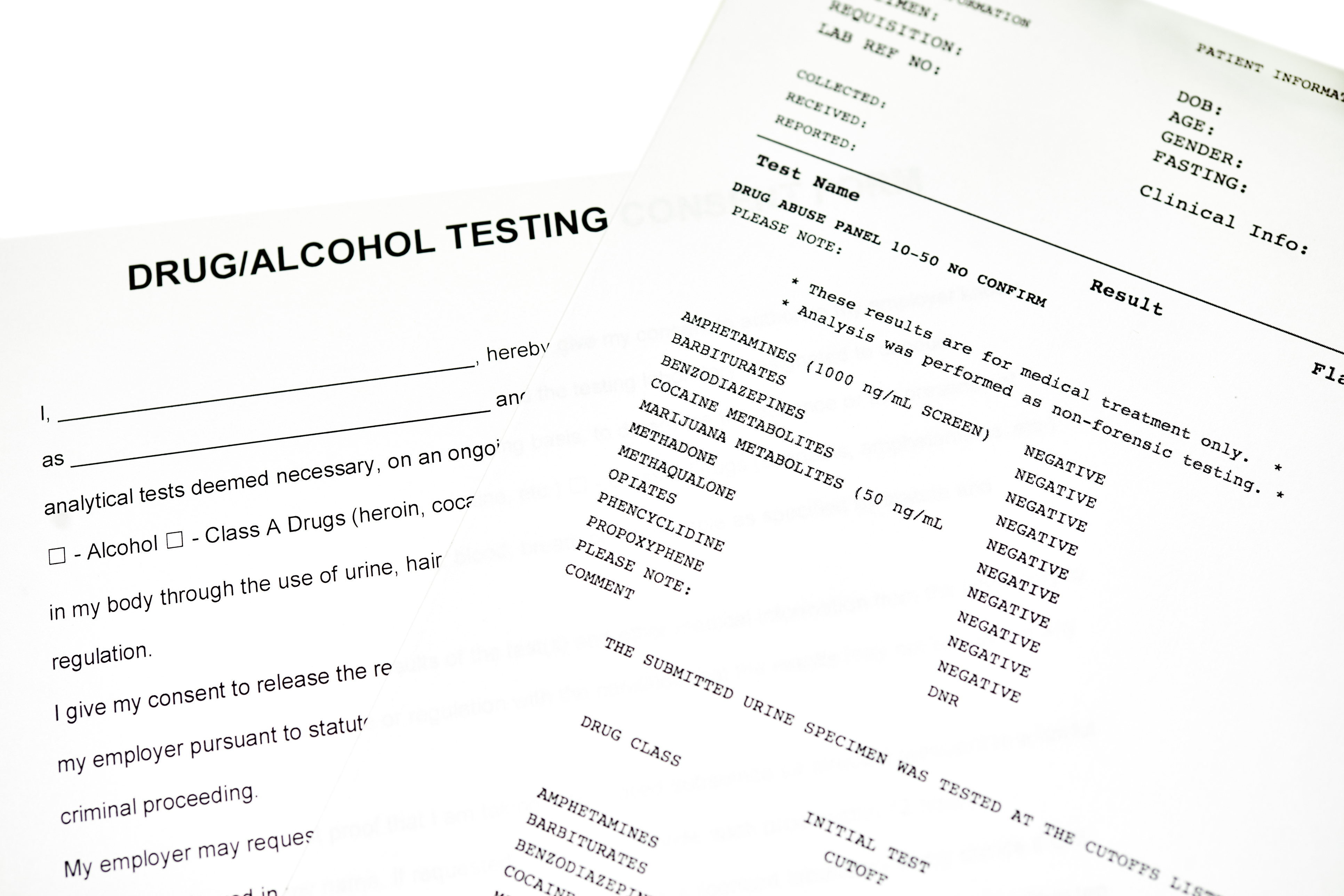
A confirmation test, also known as a lab or definitive test, is the second step used to verify preliminary results. Samples are sent to a certified laboratory where advanced methods provide highly accurate, legally defensible results. This step removes uncertainty and ensures confidence in the outcome. It’s the standard for situations where results need to be trusted and documented. Additional fees apply.
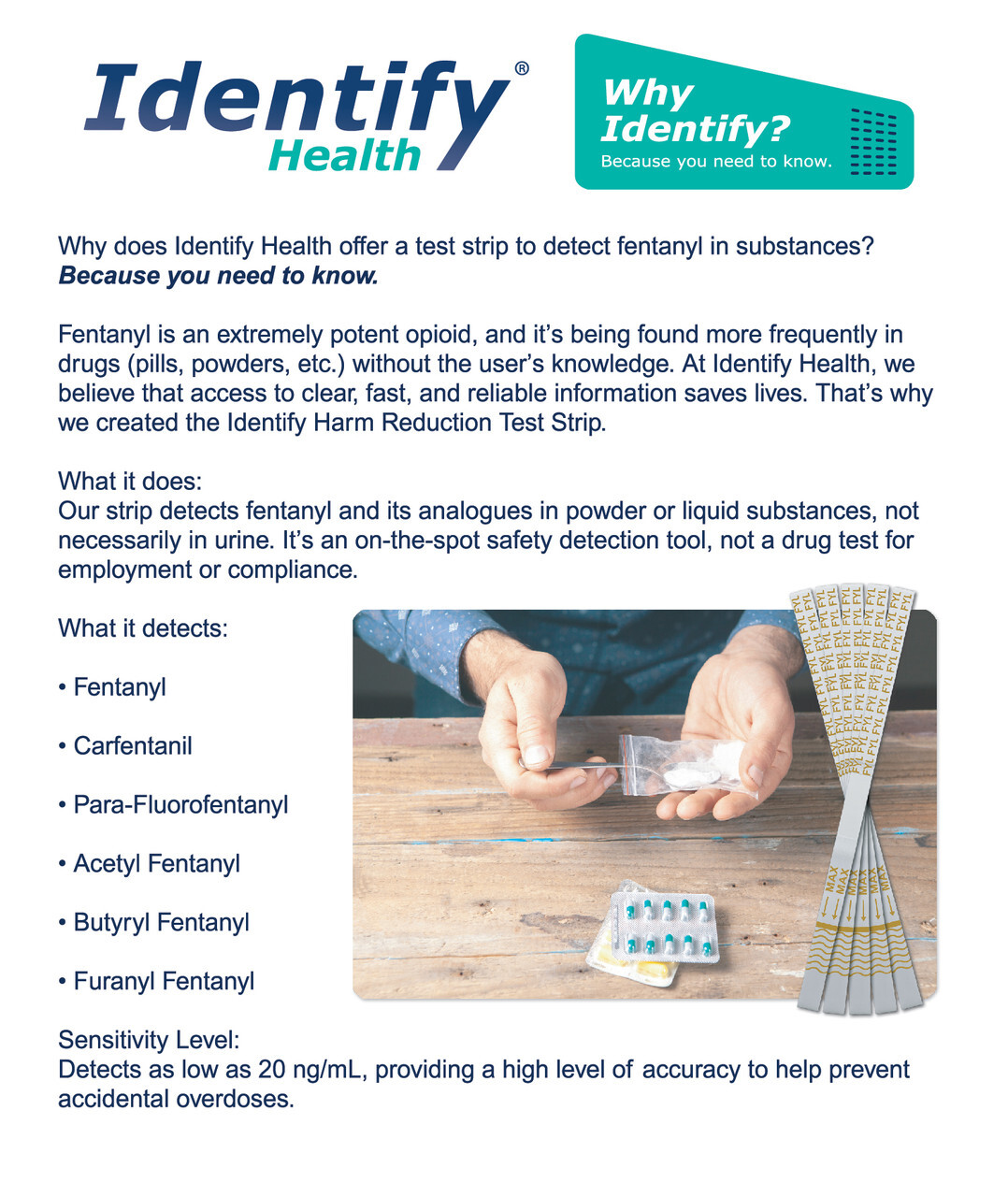
Identify Diagnostics
View Product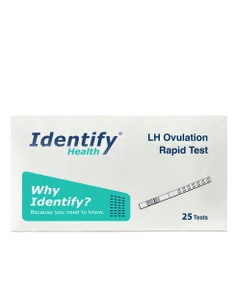

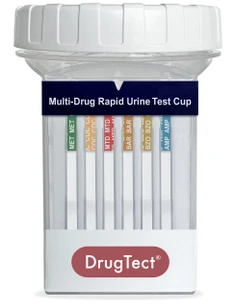
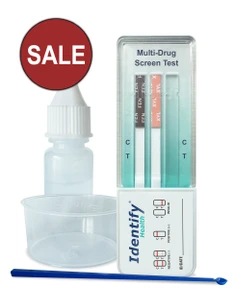
Identify Health
View Product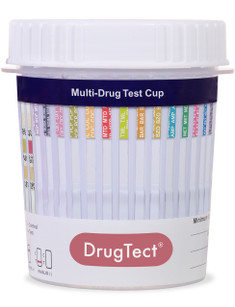
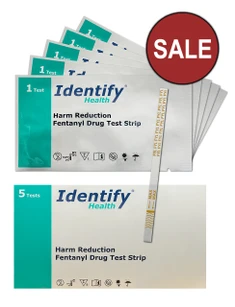
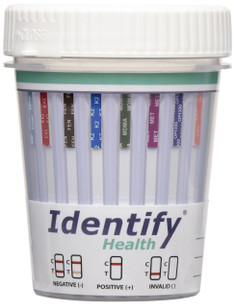
Identify Health
View Product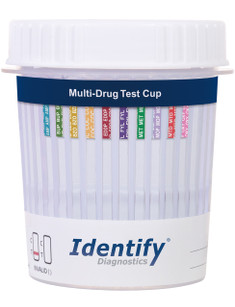
Identify Diagnostics
View Product
Identify Health
View Product
Identify Health
View Product