The right OPI and MOP format depends on where you're collecting the sample.
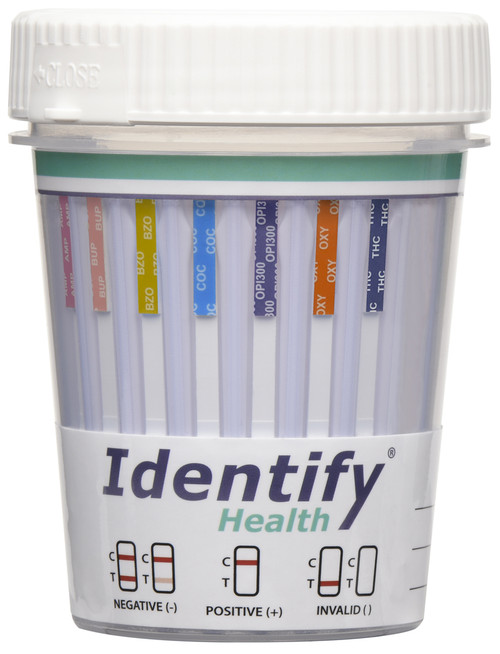
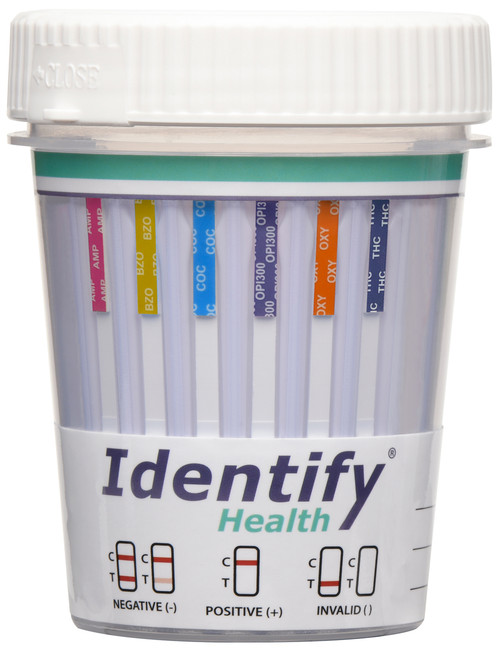
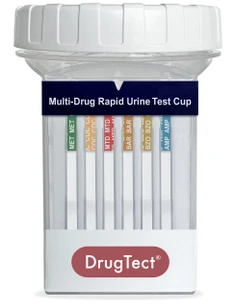
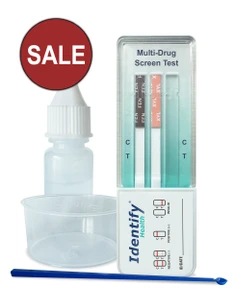
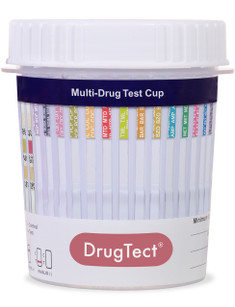
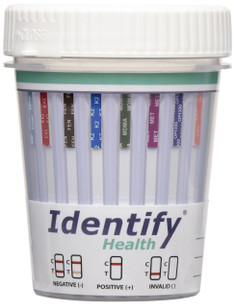
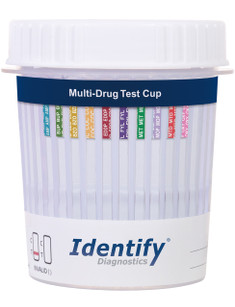
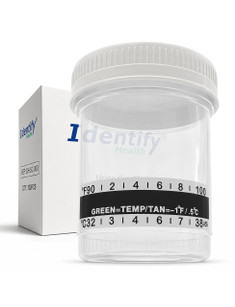
Point-of-care settings like urgent care and telehealth intake usually reach for a cup because it reads fast and needs no extra supplies. Correctional facilities and treatment programs that need documented, defensible results often choose OPI and MOP dip cards instead, since a cassette format is easy to observe and file. Programs testing outside a clinical setting, including at-home and workplace screening, lean on CLIA Waived drug test kits so results carry the same weight without a lab visit. Oral fluid drug tests fit anywhere a urine collection feels intrusive or hard to supervise, and they screen for opiates just as reliably. Matching the device to the setting keeps staff focused on the person being tested instead of fighting the collection process, and it keeps results standing up when someone questions them later.
OPI and MOP panels work best when paired with fentanyl and adulteration screening.
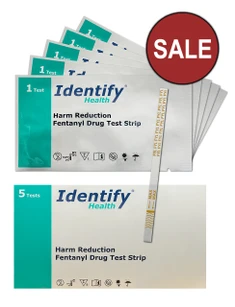
Opiates rarely show up alone anymore. Many of the OPI and MOP drug test cups in this collection add fentanyl detection, since illicit opioids are increasingly cut with it and a standalone opiate panel can miss that entirely. Treatment facilities screening for relapse or diversion often add adulteration checks like K2, kratom, or gabapentin alongside OPI and MOP, since these substances get substituted when someone knows what a standard panel is looking for. Forensic Use Only options pair OPI and MOP with the documentation chain-of-custody testing requires, which matters for criminal justice and workplace compliance programs. Building the panel around what a program actually needs to catch, not just the drugs on a standard list, is what keeps testing useful instead of routine.
Support is available for building an OPI and MOP testing program from scratch.
Setting up an opiate drug test program for the first time raises real questions about panel selection, cutoff levels, and compliance requirements. The FAQ page covers common OPI and MOP interpretation, storage, and shelf-life questions before you commit to a full order. Treatment facilities weighing a switch from a competitor's panel can find comparison guidance built around the substances local programs are actually seeing, not just a generic drug list. At-home drug test buyers get the same OTC guidance, so a parent or individual testing outside a clinical setting understands a result without needing to call a lab. Whether the program is brand new or being adjusted for the current opioid landscape, the goal is a panel that matches what's actually happening in the field.