How do you choose the right EDDP drug test cup?
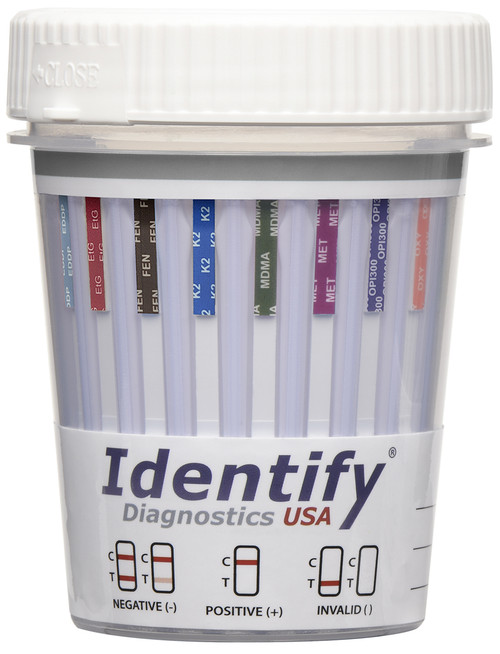
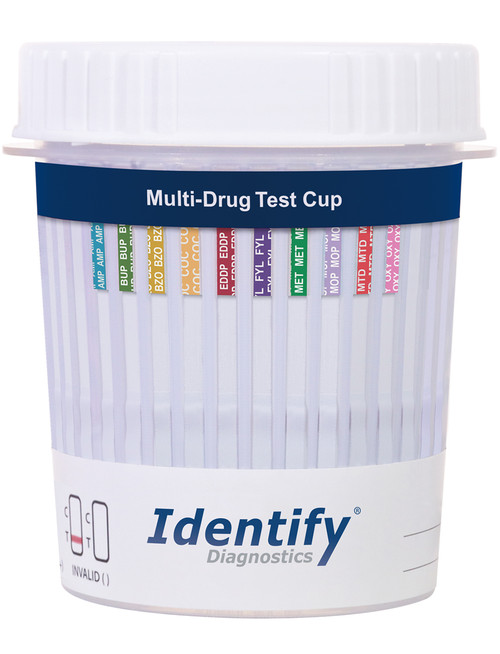
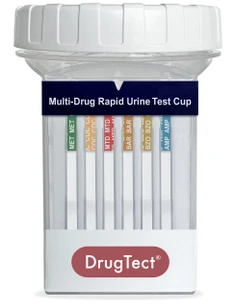
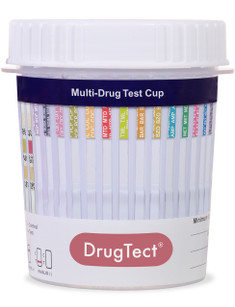
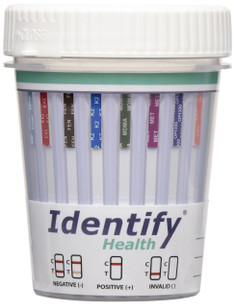
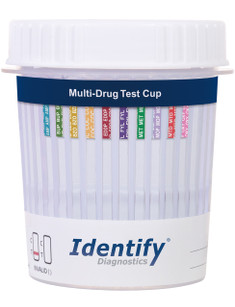
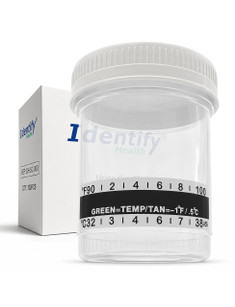
Choosing the right EDDP drug test cup starts with matching the panel to your setting. EDDP detects methadone metabolite, the marker that confirms real methadone use rather than a substituted or masked sample, so treatment programs rely on it to verify compliance instead of guesswork. If methadone monitoring is the main focus, start with the MTD Drug Test Kit lineup, which pairs the parent drug and its metabolite in one cup for a clearer read on actual use. Programs that need broader coverage should choose a CLIA Waived Drug Test cup with a higher panel count, since it screens EDDP alongside fentanyl, synthetic cannabinoids, and other substances common in polysubstance use. Panel count, certification status, and the substances a program already screens for should guide the final pick, and support is available through Treatment Facilities resources for programs building out a full testing protocol from the ground up.
Which drug panels can you combine with EDDP testing?
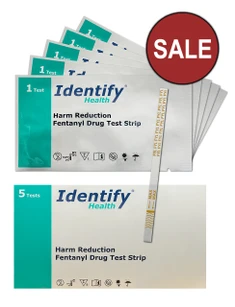
EDDP pairs naturally with panels that treatment programs and urgent care clinics already run day to day. Most cups on this page combine EDDP with FEN/FYL Drug Tests to catch fentanyl exposure, since illicit fentanyl often appears alongside diverted or substituted opioids. Programs managing broader substance use can add K2, kratom, or gabapentin panels to the same cup, giving one specimen the ability to flag several relapse risks at once instead of ordering separate tests. For programs that need legal defensibility on top of clinical accuracy, a Forensic Use Only cup adds that protection, which matters for court ordered or workplace testing. Whatever combination a program needs, EDDP should sit alongside the substances most likely to appear together in real world use, not as a standalone add-on to an existing panel, so the results reflect the full picture of what a patient may be using.
Where can treatment teams learn more about EDDP testing programs?
Treatment teams that are new to EDDP testing do not have to build a protocol from scratch on their own. The Treatment Facilities resource page walks through panel selection, certification requirements, and bulk ordering built specifically for addiction treatment and recovery settings. Teams with technical questions about specimen validity, cutoff levels, or CLIA waived status can check the FAQ page before reaching out directly to a specialist. For programs comparing panel options side by side, the Panel Count pages break down exactly which drugs each cup screens for, making it easier to standardize testing across multiple locations. Support does not stop at the sale. Ongoing guidance on documentation and compliance is part of what keeps a testing program consistent over time, not just something covered once at the start of a new order.