6-MAM Drug Test Kits Come in Cup and Dip Formats
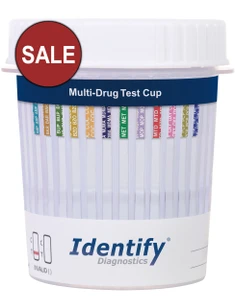
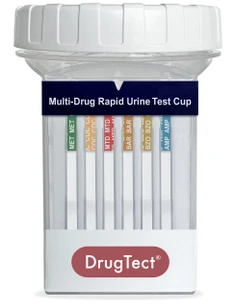
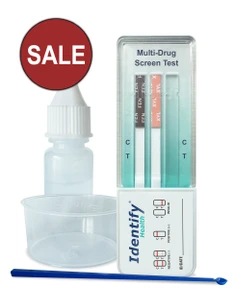
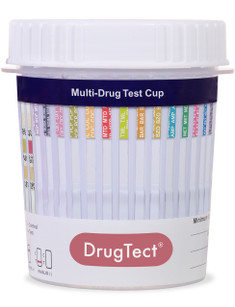
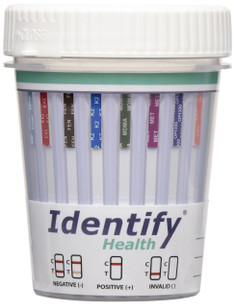
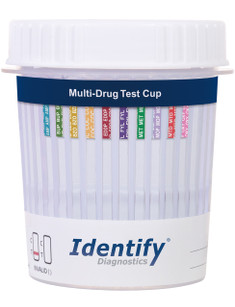
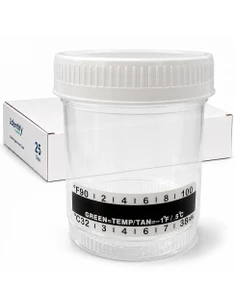
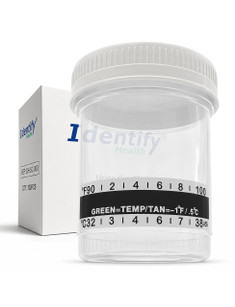
6-MAM drug test kits come in two main formats, multi-panel cups and single-panel dip cards. A cup works best for programs that need one device to screen 6-MAM alongside other drugs like fentanyl and opiates in a single pass. A dip card fits programs that only need a heroin drug test kit result and want a lower cost per test. CLIA Waived cups are built for clinics and healthcare settings that run screening as part of routine care, while Forensic Use Only dips and cups support workplace, court ordered, and treatment programs that require chain of custody documentation. Panel count matters too, since an 18 panel cup gives broad drug coverage for treatment facilities screening for several substances at once, while a single panel dip keeps things simple and affordable for programs focused only on confirming heroin use rather than running a full multi-drug panel.
6-MAM Confirms Heroin Use Alongside Fentanyl and Opiate Panels
6-MAM is the marker that separates true heroin use from other opiates, since the body converts heroin into 6-MAM within hours of use. That short detection window makes panel choice important. MDG's 18 panel drug test cups pair 6-MAM with fentanyl testing, so treatment facilities catch heroin use alongside fentanyl and prescription opioid misuse in one cup. Programs already running an opiate panel can add 6-MAM to confirm a positive result actually points to heroin rather than another opiate like codeine or morphine. Dip cards keep the same accuracy in a lower cost, single panel format for programs that already have a broader panel in place and just need heroin confirmation. Every 6-MAM drug test kit on this page uses a 10 ng/ml cutoff, the same threshold labs use for confirmatory testing, so results stay consistent from screening through lab confirmation.
Resources for Treatment Facilities and Testing Programs
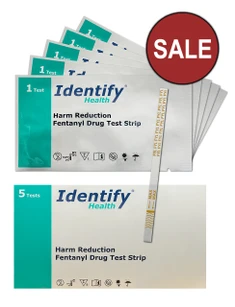
Choosing the right 6-MAM drug test kit is easier with the right background support. MDG's Harm Reduction Drug Tests page covers dip and strip formats designed for lower barrier screening in outreach and treatment settings, where 6-MAM confirmation can help programs respond faster to heroin use. Treatment Facilities get a dedicated resource covering panel customization, adulteration testing, and bulk fulfillment for programs managing large caseloads across multiple sites. For general questions about panel selection, cutoffs, and CLIA status, the FAQ page answers the questions asked most often by labs, clinics, and treatment programs before they place an order. Programs building a new screening protocol should start there, then reach out directly for panel configuration or bid specification support.