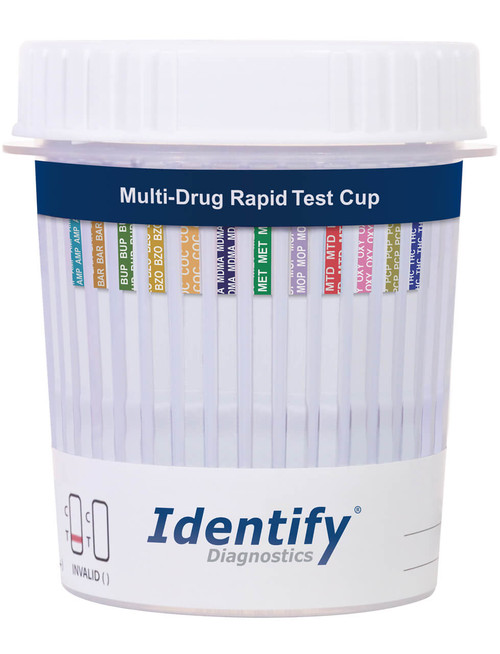
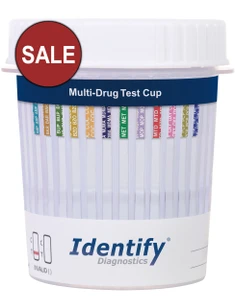
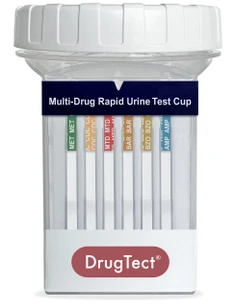
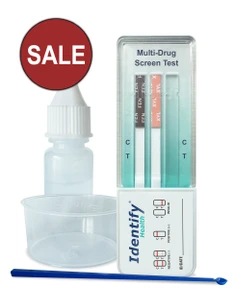
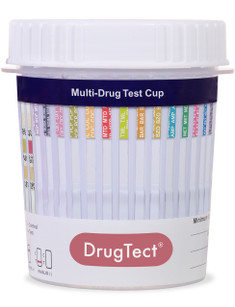
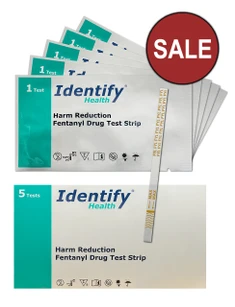
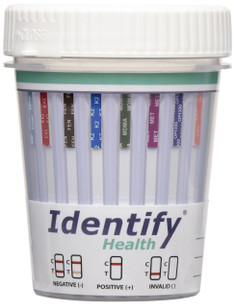
Choosing the right OXY drug test format starts with your testing setting.
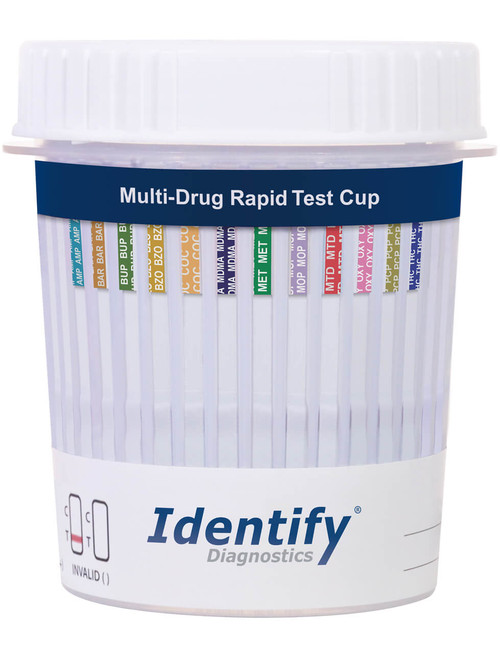
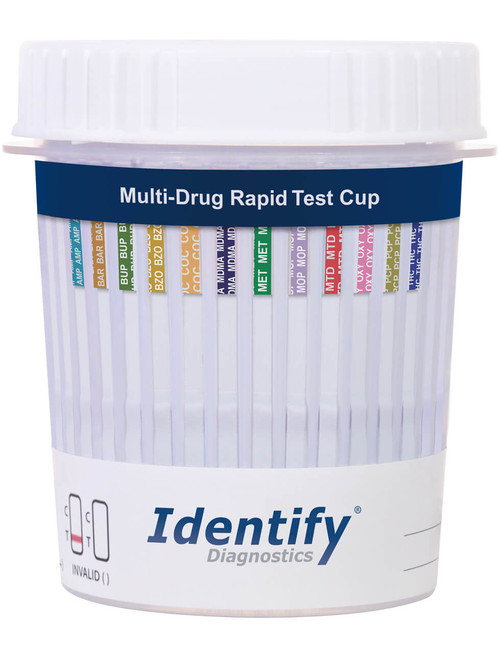
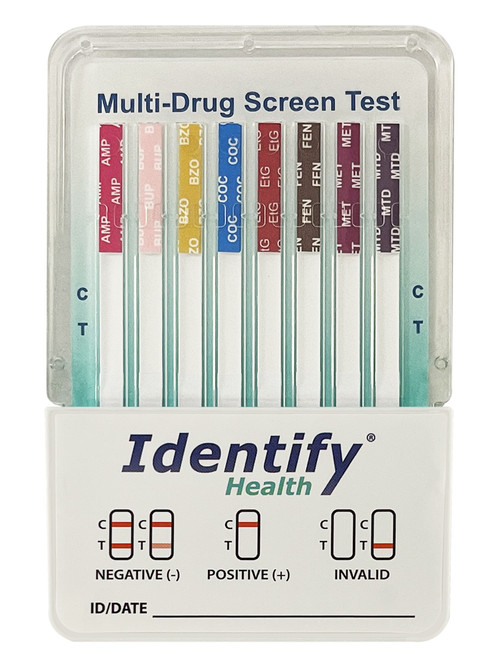
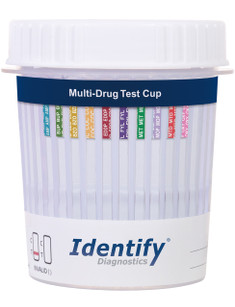
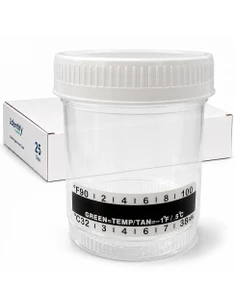
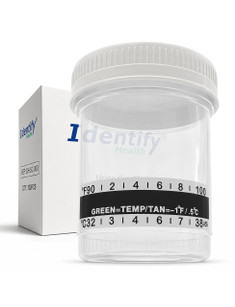
An oxycodone drug test comes in three collection formats, and the right one depends on where testing happens. Drug test cups work best for point of care settings because staff read the result directly off the cup without extra handling. Drug test dips fit programs that already run a collection cup and simply need a testing strip or cassette added to an existing workflow. Cassette style devices suit labs that process higher volumes and want a consistent, stackable format. Panel size matters too. A collection built around a single OXY drug test misses other substances a patient may also be using, so many programs choose a combination panel that pairs oxycodone with opioids, fentanyl, or benzodiazepines depending on their population. Reviewing panel options by drug combination, rather than picking a cup at random, keeps the result relevant to what a program actually needs to screen for.
Certification status determines where an oxycodone test can be used.
Not every OXY drug test kit carries the same regulatory clearance, and that clearance decides where the result holds up. CLIA Waived drug tests are cleared for point of care use in clinics, treatment facilities, and doctor's offices without sending anything to an outside lab. Forensic Use Only tests are built for documented, chain of custody results in legal, criminal justice, or employment disputes, and should not be substituted for a clinical test. OTC options are cleared for personal, at-home use and give families a way to check for oxycodone without a clinical visit. Treatment facilities in particular need to match certification to setting since a mismatch can invalidate a result during an audit or a legal review. Checking the regulatory status listed on each product page before ordering prevents a costly reorder later and keeps testing programs compliant with the standard their setting requires.
Support resources make ordering and results easier to manage.
Picking the right OXY drug test kit gets easier with a few reference points on hand. The FAQ page answers common questions about storage, shelf life, and how to read a faint line on a cup or cassette. Programs unsure how many substances to screen for can start with the 12 panel options, the most common starting point for treatment and recovery settings before scaling up or down. Bulk buyers and recurring programs can set up reorders around expected testing volume instead of ordering one box at a time. Workplace and government programs with specific compliance requirements should confirm panel and certification needs against their own testing policy first, since the right combination varies by state and by program type. These resources exist so a testing coordinator can make a confident choice without guessing.