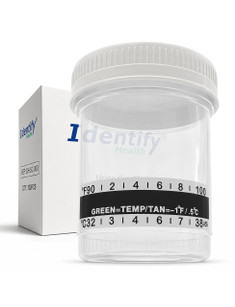
Which ETG drug test kit fits your testing program?
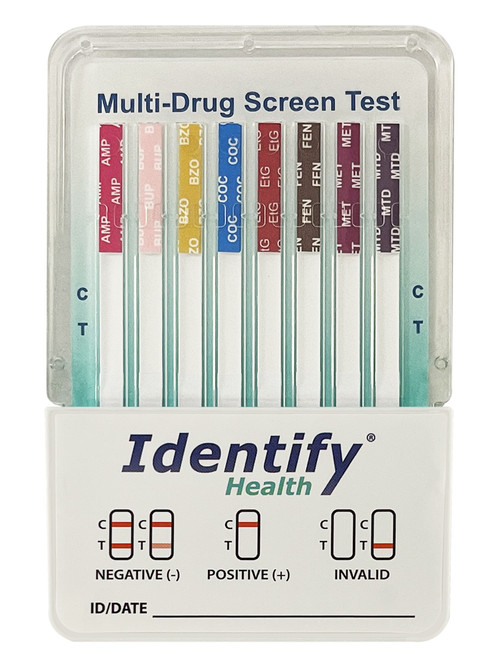
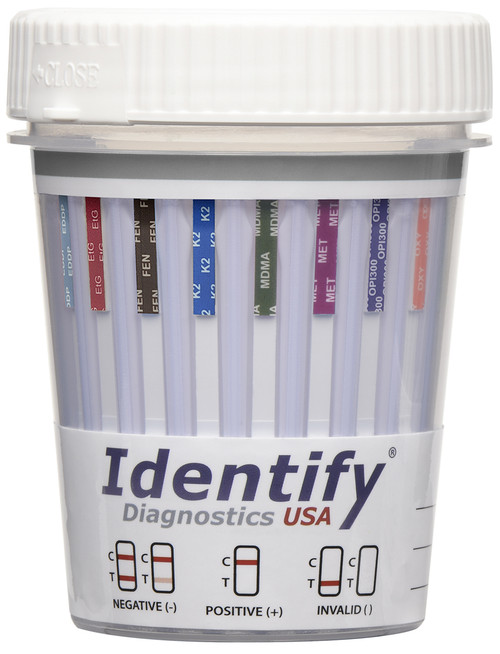
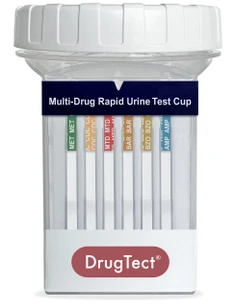
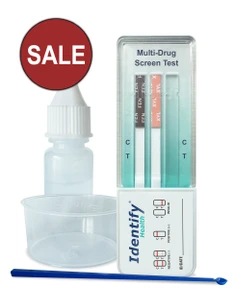
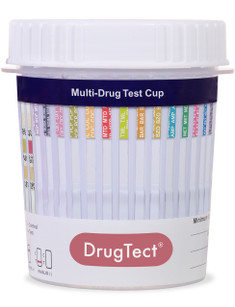
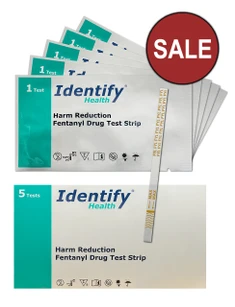
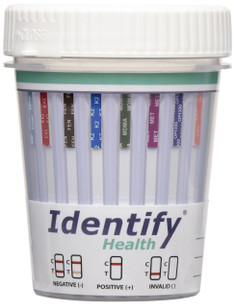
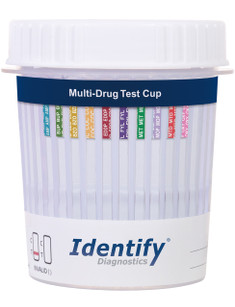
Choosing the right ETG drug test kit depends on how many drugs you need to screen and where you plan to test it. Treatment centers often reach for 12 to 20 panel cups that pair ETG alcohol screening with fentanyl, kratom, or gabapentin detection, since clients may use more than one substance at the same time. Facilities that only need an alcohol result can turn to a single panel ETG dip card for a faster, lower cost check that still holds up under review. Criminal justice programs and addiction treatment facilities both benefit from combining ETG with a wider panel, since it cuts down on repeat visits and extra paperwork. Every kit on this page is Forensic Use Only, built for documented, defensible results. Browse our full range of ETG drug test cups and ETG dip kits to compare panel counts and pick the format that matches your collection process, whether you run a lab or a treatment facility.
What can an ETG test detect alongside alcohol use?
ETG drug test cups rarely screen for alcohol alone. Most panels on this page pair ethyl glucuronide detection with fentanyl, gabapentin, kratom, K2, tramadol, or opiates, so one cup can flag several substances a client may be using at the same time. This matters most for treatment programs and criminal justice settings, where staff need a fuller picture of substance use rather than a single result on its own. Pairing panels also saves time during collection, since staff run one test instead of two or three separate screens for the same client. Facilities that also run confirmatory testing can pair these cups with our CLIA Waived drug tests for lab-based follow-up, or route positive results through our forensic use only tests when documentation needs to hold up outside the clinic. Pairing ETG with the right drug panel keeps testing programs efficient without adding extra collection steps or extra cost per client visit.
Where can you learn more about ETG alcohol testing?
Ethyl glucuronide testing has specific detection windows, cutoff levels, and use cases that differ from other drug panels, so it helps to have a clear reference before choosing a kit. Our alcohol tests page walks through how ETG compares to other alcohol screening methods, including breath and blood testing, and where each format fits best for your program. Laboratories running higher volumes can review our laboratories page for CLIA waived and moderate complexity options that pair with ETG results and fit existing workflows. If you have a specific question about panel counts, cutoff levels, or forensic use requirements, our frequently asked questions page covers the most common ones our clients ask us every week, along with new questions as they come up. Our team is also on hand by phone or email to help you match a kit to your treatment facility, laboratory, or workplace testing program.