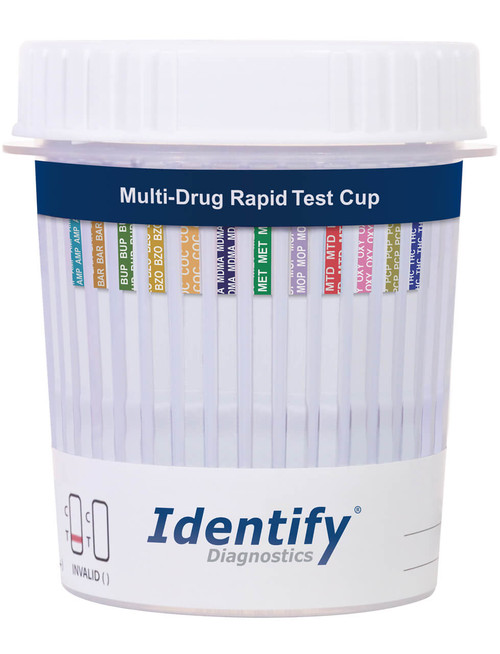
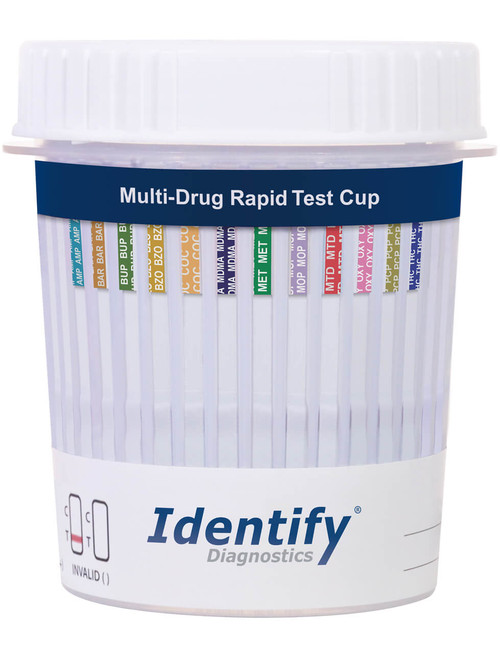
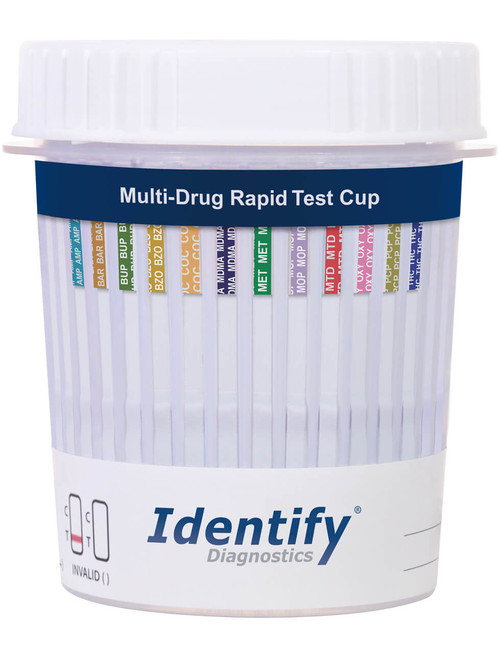
Choosing the Right MDMA Drug Test Cup for Your Program
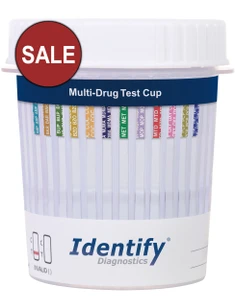
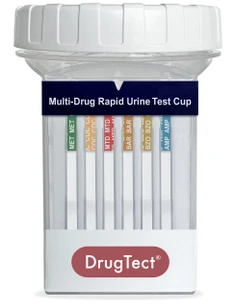
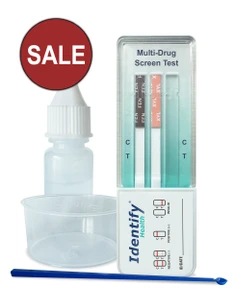
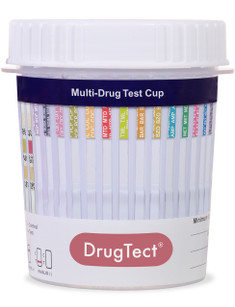
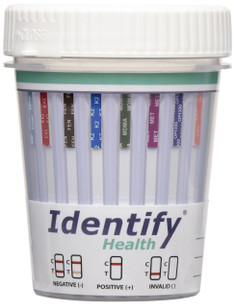
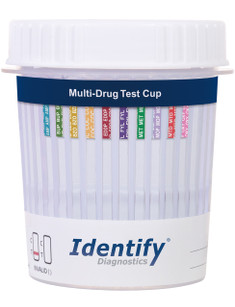
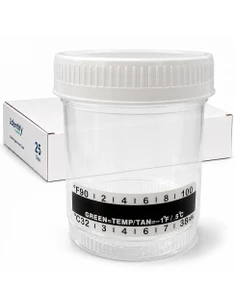
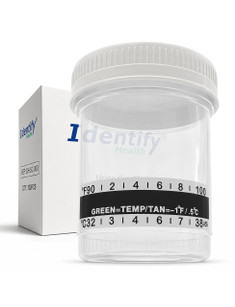
MDMA drug tests come in different formats built for different settings. Clinics and treatment centers often choose a CLIA waived drug test cup because it meets regulatory standards for point of care testing without extra lab steps. Families and employers running quick screenings at home or on site can pick an at home drug test kit instead, since these options are built for simple, walk in use. Panel count matters too. A basic MDMA panel works for straightforward screening, while a broader panel adds coverage for other substances that often show up alongside ecstasy use, like amphetamines or synthetic drugs. Browse the full range of drug test cups to compare panel counts, certifications, and pack sizes side by side before you order. Matching the right cup to your setting keeps results accurate and your program running smoothly.
MDMA Panels Pair Well With Adulterant and Multi-Drug Screening
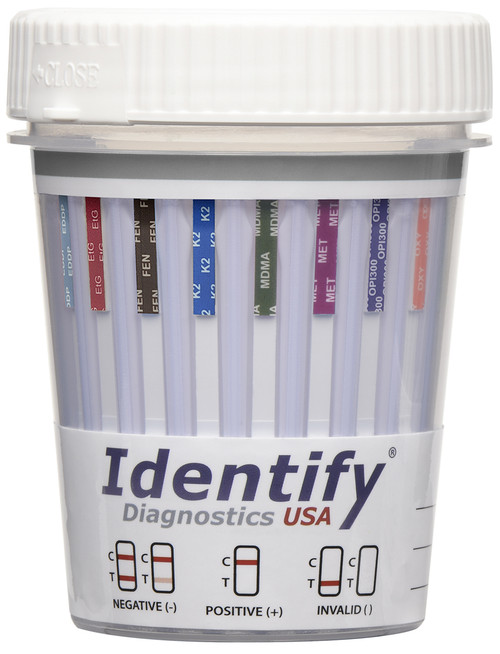
Ecstasy use rarely shows up alone, so many labs pair an MDMA panel with tests for common adulterants and related drugs. Cups with a wider panel count add coverage for substances like ketamine, K2, and tramadol, which show up in the same settings as MDMA. Facilities that need documented chain of custody for legal or employment cases should look at forensic use only tests, built to hold up under stricter review. Labs that want every kit produced domestically can choose a made in the USA option, which pairs MDMA detection with the same adulteration coverage in a single cup. This flexibility means one order can cover a full testing panel instead of stocking separate kits for each substance. Matching panel breadth to what your population actually uses cuts down on retesting and keeps results reliable.
Guides and Support for Ongoing MDMA Testing Programs
Getting accurate MDMA results takes more than the right cup. Treatment centers and recovery programs often need help building a testing protocol that fits their population, especially when new substances get added to a panel. Our treatment facilities page walks through panel options and bulk pricing built for that kind of ongoing program. If you are not sure which panel count or certification fits your setting, the FAQ page answers common questions about CLIA waived status, storage, and shelf life. And if your organization serves a specific group, from labs to employers to government agencies, the who we serve section breaks down recommended products by audience so you are not guessing. A little research up front means fewer returns, fewer retests, and a testing program that holds up to review.