Choosing the right PCP drug test kit for your setting
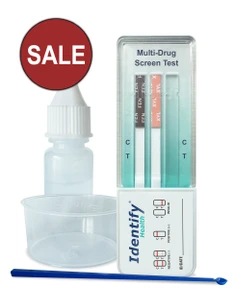
The right PCP drug test kit depends on who is collecting the sample and what happens after a positive result. Clinics, urgent care offices, and treatment programs that need to read results onsite should look for CLIA Waived Drug Tests, since these cups and dip cards can be run and interpreted by staff without a moderate complexity lab license. Courts, probation offices, and employers that need results to hold up in a dispute usually choose from our Forensic Use Only Tests instead, which follow stricter chain of custody rules and documented specimen handling from collection to lab confirmation. Families and individuals testing at home can pick an At Home Drug Test (OTC) kit built for lay use with clear, easy to read results and simple written instructions. Matching the kit to the setting keeps results usable, protects everyone involved, and avoids the cost and delay of retesting with the correct device the second time around.
PCP drug test cups combine phencyclidine screening with other common panels
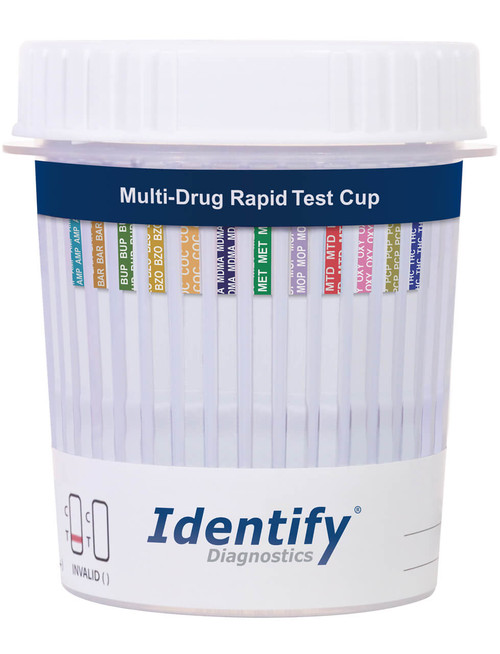
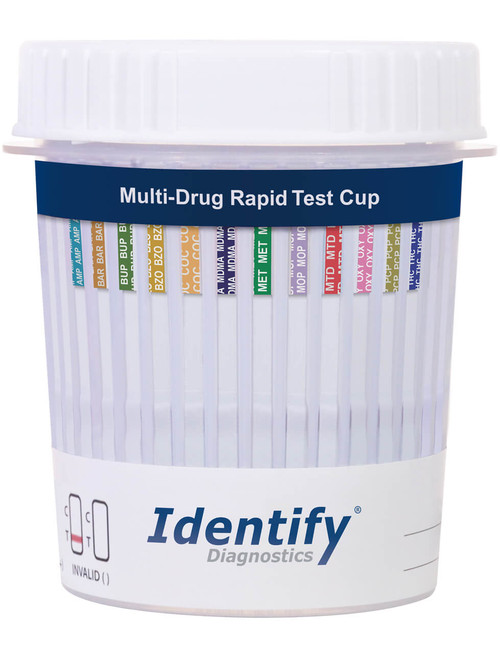
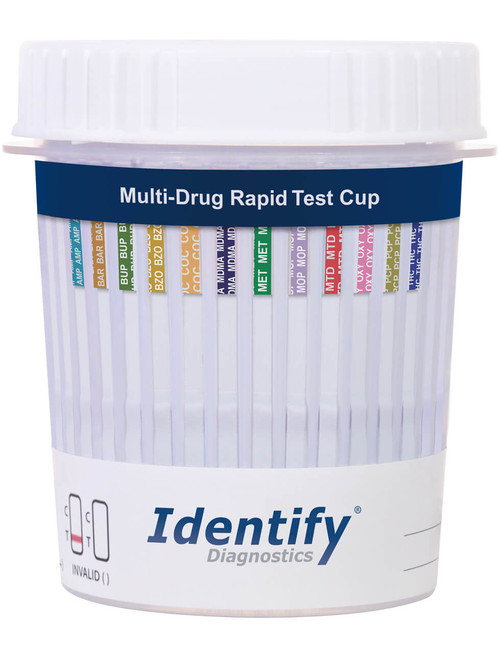
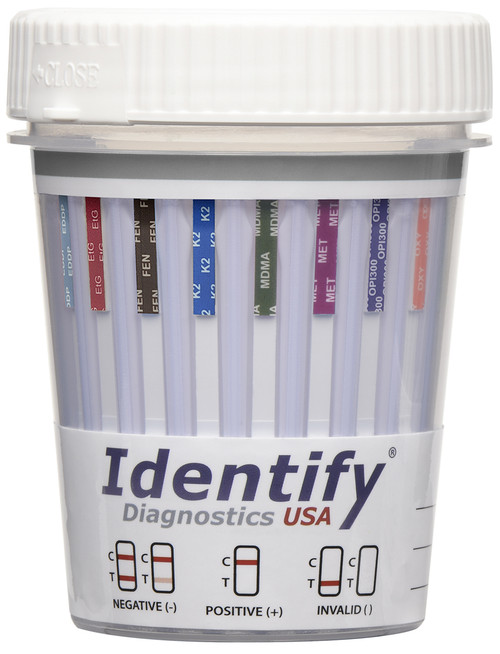
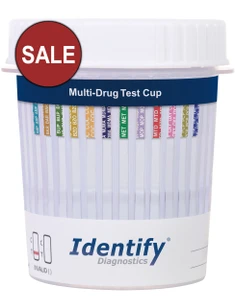
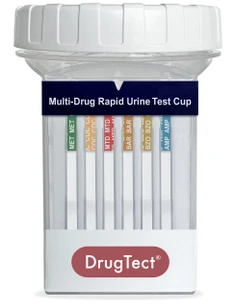
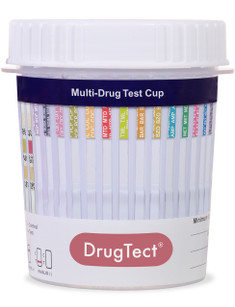
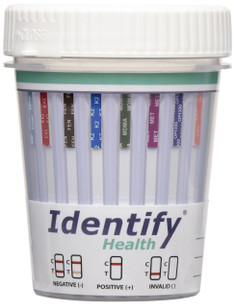
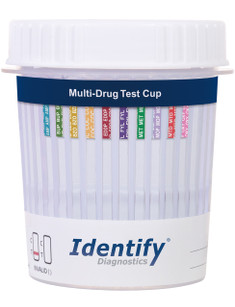
Nearly every PCP drug test cup on this page checks for phencyclidine alongside other frequently misused drugs, so one cup covers more of what a program actually sees day to day instead of testing for a single substance in isolation. Options range from focused 6 panel cups up through 20 panel cups that add adulteration checks for tampered or diluted samples. Programs that need a documented US supply chain can choose a Made In The USA cup, while facilities running high sample volumes often prefer a dip card format for faster batch collection and easier storage. Because PCP tends to show up alongside opioids, stimulants, and synthetic cannabinoids in real world screening, a combined panel cuts down on the number of separate devices staff need to stock, track, train on, and re-order, which simplifies both budgeting and day to day collection workflow.
Where to find PCP testing guidance and collection supplies
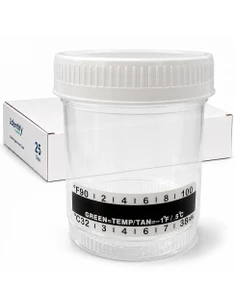
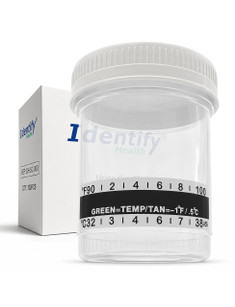
Getting a reliable PCP drug test result depends on more than the cup itself, and a few reference points make results easier to trust and explain to a patient or employee after the fact. The FAQ page answers common questions about cutoff levels, sample storage, expiration dating, and how to read a borderline or faint line correctly before calling a result positive or negative. For programs setting up or expanding a collection process, the Collection and Handling section covers specimen cups, temperature strips, and security seals that support a defensible chain of custody alongside every PCP drug test kit ordered. Staff who are new to multi panel screening should also confirm which specific drugs a given panel actually covers before ordering, since matching the panel to state, court, or employer requirements upfront prevents having to reorder a different kit later on.