Alcohol Testing Comes in Both Saliva and Cup Formats
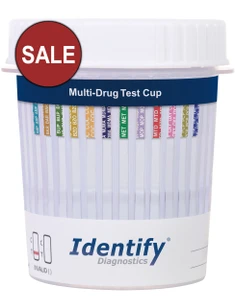
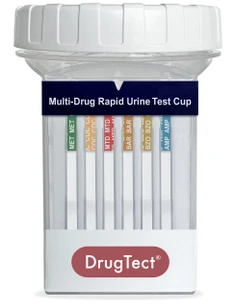
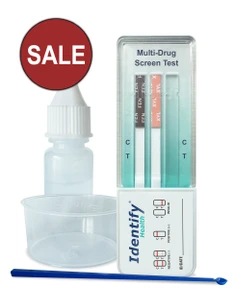
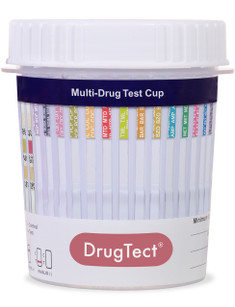
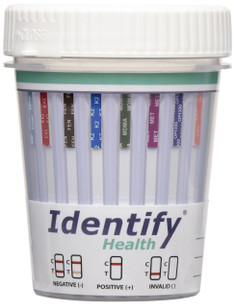
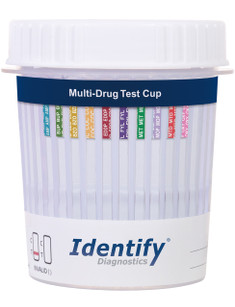
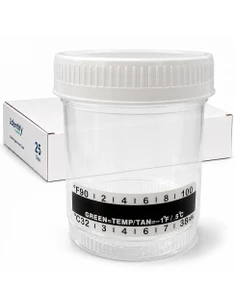
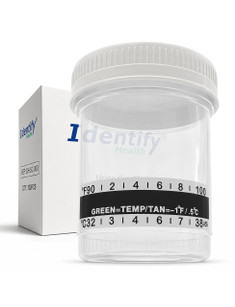
Choosing the right alcohol drug test starts with matching the format to your setting and how quickly you need a result. A saliva drug test works well for on-site alcohol screening because it is fast, non-invasive, and easy to administer without a bathroom or private collection area. Our Oral Fluid Tests line covers this format for clinics, treatment programs, and workplaces that need quick, reliable results. Cup-based formats add ETG alongside a broader multi-panel drug screen, which is useful when alcohol use needs to be checked alongside other substances in a single collection. For clinical settings, CLIA Waived Drug Test options let a doctor's office or clinic run the test without a moderate complexity lab setup, cutting turnaround from days to minutes. Programs that need documented custody instead should look at our Forensic Use Only Tests, built for legal and workplace defensibility from collection through reporting.
ETG Panels Pair Alcohol Screening With Other Drug Classes
An alcohol drug test rarely stands alone in a modern screening program. Multi-panel cups combine ETG drug test detection with drugs like gabapentin, kratom, tramadol, K2, and ketamine, giving treatment programs and workplaces one collection instead of several separate tests to manage. This matters most in recovery settings, where alcohol relapse often overlaps with use of other substances already being monitored, and a single combined panel catches both at once. Pairing ETG with a wider panel also supports Collection and Handling best practices, since fewer collection events mean less handling, less paperwork, and a lower chance of a broken chain of custody. Our ETG Tests page breaks down which panel combinations are available, so buyers comparing a standalone alcohol kit against a combined multi-panel cup can match ETG drug test coverage to the exact substances your program already screens for today.
MDG Supports Alcohol Testing Programs for Treatment Facilities and Workplaces
Alcohol screening needs differ across settings, and MDG builds programs around that difference instead of a single one-size kit. Treatment Facilities rely on ETG testing to track sobriety during recovery, often alongside forensic use only kits for documented compliance during counseling and case review. Workplace Testing programs use the same saliva drug test format for random or post-incident screening because results come back on-site within minutes, not days, which keeps a program moving without a lab delay. Laboratories running higher testing volumes can pair oral fluid alcohol screening with moderate complexity confirmation testing for disputed results, giving both speed and a documented backup method. Whatever the setting, our team can help match panel type, certification status, and collection format to the program you already run, so alcohol screening fits into your existing workflow instead of replacing it entirely.